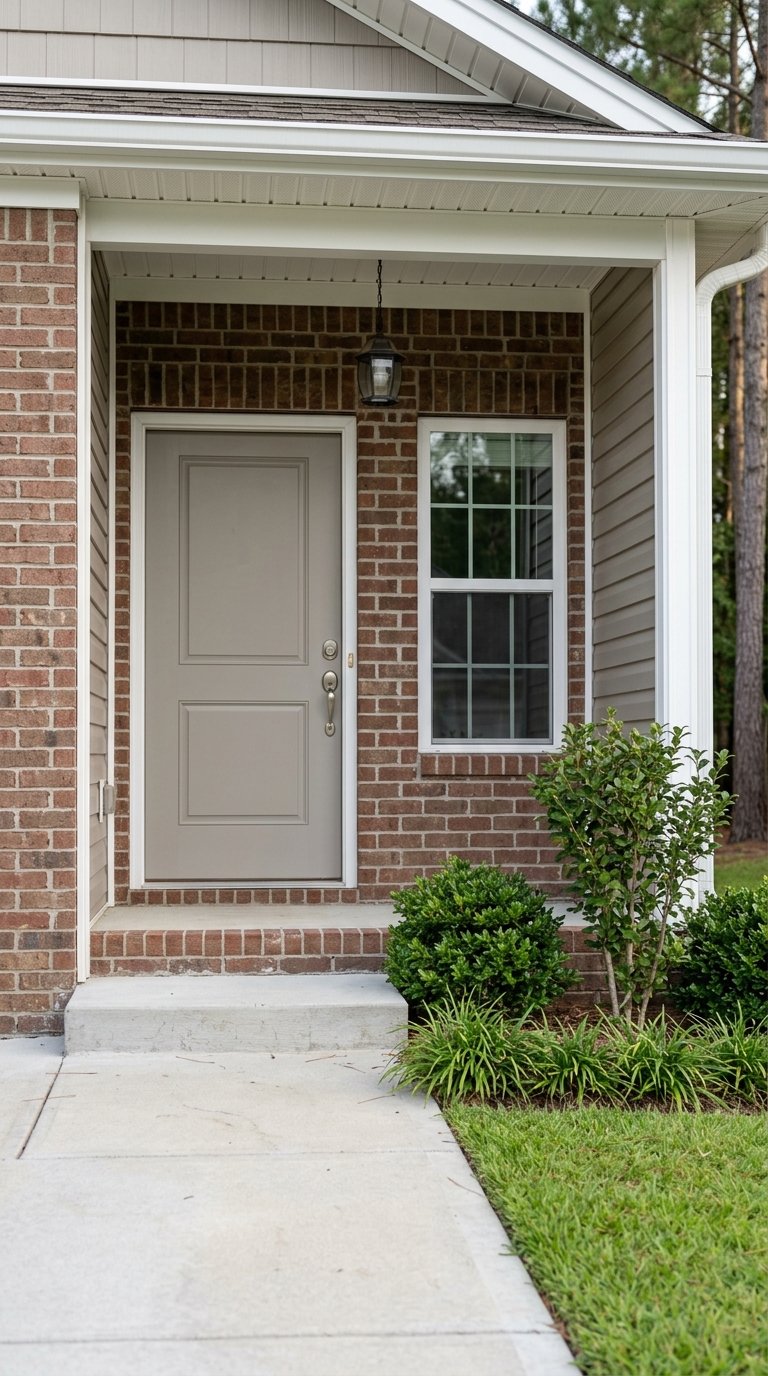
Worried that a buyer’s financing could fall apart over a few repair issues? If you’re getting ready to sell in Princeton, that concern is more common than you might think. The good news is that most financed buyers are not looking for a perfect home. They need a home that is safe, functional, and well documented. If you plan ahead, you can reduce surprises and make your sale smoother. Let’s dive in.
Why financing readiness matters in Princeton
In Princeton, getting your home ready for financing is about more than fresh paint and curb appeal. The Town of Princeton relies on Johnston County Building Inspections for required inspections, and Johnston County Environmental Health handles private wells and septic systems. That means records, permits, and utility system history can matter just as much as how the home looks during showings.
For many sales, the buyer’s lender will require an appraisal, and the buyer will often order a home inspection too. Those are not the same thing. A home inspection gives the buyer a broader look at the property, while the appraisal helps the lender assess value and identify issues that could affect the loan.
What lenders usually care about most
Across common loan types, the main concern is usually not whether your kitchen is updated or whether every finish looks new. The bigger question is whether the home appears safe, livable, and structurally sound. That is the standard Princeton sellers should keep in mind before listing.
Conventional loan expectations
Conventional financing can often work for homes with minor wear and tear. Fannie Mae allows appraisals to be completed as-is when remaining issues are minor and do not affect safety, soundness, or structural integrity.
Examples of minor conditions can include worn floor finishes, small plumbing leaks, holes in window screens, missing handrails, and cracked window glass. In real life, that means a home can still qualify for financing without being fully renovated, but larger health, safety, or structural concerns can create problems.
FHA loan expectations
FHA appraisals look at both market value and whether the property is acceptable for the program. HUD says the appraiser focuses on readily observable deficiencies that affect livability or the health and safety of occupants.
If your Princeton home was built before 1978, visible defective paint becomes especially important. FHA guidance calls for inspection of interior and exterior surfaces, including attached or detached structures, for defective paint conditions.
VA loan expectations
VA buyers also go through an appraisal process that is different from a home inspection. The VA appraiser looks at value and minimum property requirements.
Topics can include water supply, sanitary facilities, individual water and sewage systems, hazards, defective conditions, mechanical systems, heating, wood-destroying insects, lead-based paint, flood hazards, and the roof’s ability to keep moisture out. For Princeton homes with private wells or septic systems, this is one more reason to have your records in order.
USDA loan expectations
USDA financing can be especially relevant in rural areas, and Princeton sellers should know these loans focus on whether a home is adequate, modest, decent, safe, and sanitary. Existing homes must be structurally sound, functionally adequate, and in good repair, or be brought up to that standard.
USDA’s review includes termites and other pests, plumbing, water and sewage, heating and cooling, electrical systems, and structural soundness. If your property serves buyers using USDA financing, visible system problems can limit your buyer pool.
Repairs that can slow down financing
If you want to avoid last-minute lender concerns, focus first on the issues most likely to create friction. These are the items that most consistently affect health, safety, structural integrity, or basic habitability.
Roof and moisture issues
A leaking roof is one of the clearest red flags in a financed transaction. HUD guidance says the roof covering must prevent moisture from entering and provide reasonable future utility.
If an appraisal identifies a major repair need such as a new roof, the lender may require repairs before closing or may require an escrow after closing. Water intrusion, ceiling stains, active leaks, and visible moisture damage are worth addressing early.
Structural and safety concerns
Broken steps, unsafe railings, broken windows, and signs of foundation trouble can raise immediate concerns. Serious flaws like a cracked foundation can change a buyer’s decision, and they can also affect financing.
Some issues may seem small on their own, but they matter more if they point to a broader problem. A missing handrail or cracked glass might be viewed as minor in some cases, but not if the condition creates a real safety risk.
Pest damage and dampness
Evidence of infestation, dampness, or abnormal settlement can lead to follow-up questions from lenders and appraisers. USDA specifically includes termites and other pests in its review, and Fannie Mae says signs of infestation or dampness must be addressed with proof of correction or a qualified report.
For sellers, this means pest-related damage is not just cosmetic. If you see soft wood, moisture stains, or signs of insect activity, it is smart to investigate before listing.
Defective paint on older homes
If your home was built before 1978, defective paint deserves extra attention. Federal rules require sellers to disclose known lead-based paint hazards, provide the required pamphlet, and allow buyers a 10-day opportunity to inspect or risk-assess paint hazards.
HUD appraisal guidance also focuses on defective paint on surfaces like porches, railings, windows, doors, fences, detached garages, sheds, and similar structures. Peeling, chipping, or flaking paint is worth correcting before your home hits the market.
Septic and well documentation
In Princeton, this can be a major piece of financing readiness. Johnston County Environmental Health evaluates, permits, and inspects private wells and septic systems, keeps related records, and can sample water.
If your home has a private well or septic system, buyers and lenders may pay close attention to permit history, water test records, and system condition. Functional systems matter, but good documentation matters too.
Flood insurance questions
If your property is in a Special Flood Hazard Area, flood insurance is generally required for a mortgage. That can affect affordability for the buyer and may influence how smoothly the transaction moves.
Before listing, it is wise to confirm whether flood risk may be a factor if your property is near a mapped flood area. It is better to understand that early than to discover it late in the deal.
What to do before you list
You do not need to remodel your whole house to make it financing-ready. A practical, organized approach usually makes the biggest difference.
Build a repair and records folder
Start by gathering the documents a buyer or lender may ask about. In Princeton, that can include:
- Septic permits
- Well permits
- Water test results
- Pump inspection records
- Building permits
- Final inspection sign-offs
- Receipts for major repairs
Johnston County offers permit searches by address and permit-status tools. Since Princeton relies on Johnston County Building Inspections, having this paperwork ready can help avoid delays.
Close out permit-related work
If you completed work that required a permit, make sure the permit was properly closed and the final inspection was documented. Missing paperwork has a way of showing up once a buyer, lender, or attorney starts reviewing the file.
This is especially important for bigger items like roofing, structural repairs, additions, or system work. A clean paper trail can make your transaction feel much more straightforward.
Consider a pre-listing inspection
If your home is older or has visible wear, a pre-listing inspection can be a smart move. Since an appraisal is not as comprehensive as a home inspection, getting ahead of issues can help you understand what a financed buyer may flag later.
A pre-listing inspection can give you time to make repairs on your schedule instead of rushing after the home is under contract. It can also help you price and market the home with more confidence.
Fix safety issues first
If you are prioritizing repairs, start with the items most likely to affect financing. In many Princeton homes, that means:
- Roof leaks or visible moisture problems
- Broken steps
- Missing or unsafe handrails
- Obvious pest damage
- Water intrusion concerns
- Defective paint on older homes
These are often the repairs that create the biggest lender questions. Handling them before photos and showings can reduce renegotiation later.
What Princeton sellers should remember
A financed buyer usually does not need your home to feel brand new. They need it to appear safe, functional, and ready for occupancy. That is the real goal when preparing your Princeton home for financing.
In this market, the sellers who tend to avoid the most stress are the ones who think beyond cosmetics. When you address obvious hazards, confirm major systems are working, and gather the right records, you give your sale a better chance to move forward with fewer surprises.
If you’re getting ready to sell in Princeton and want a local plan for pricing, prep, and marketing, Thomas Parker can help you take the next step with confidence.
FAQs
What does financing-ready mean for a Princeton, NC home?
- It usually means the home appears safe, functional, structurally sound, and supported by clear records for major repairs, permits, and systems like wells or septic when applicable.
What repairs matter most before selling a Princeton home to a financed buyer?
- The biggest priorities are usually roof leaks, moisture intrusion, broken steps, unsafe handrails, visible pest damage, structural concerns, and defective paint on homes built before 1978.
Do Princeton homes with wells and septic need extra paperwork?
- Yes. Because Johnston County Environmental Health handles private wells and septic systems, permit records, water test results, and other system documentation can be important during a financed sale.
Can a Princeton home still qualify for financing if it needs minor repairs?
- Yes. Minor wear and tear does not always prevent financing, especially with conventional loans, as long as the issues do not affect safety, soundness, or structural integrity.
Should I get a pre-listing inspection before selling my Princeton home?
- A pre-listing inspection can be helpful, especially for older homes or homes with visible wear, because it may uncover lender-sensitive issues before you are under contract.
