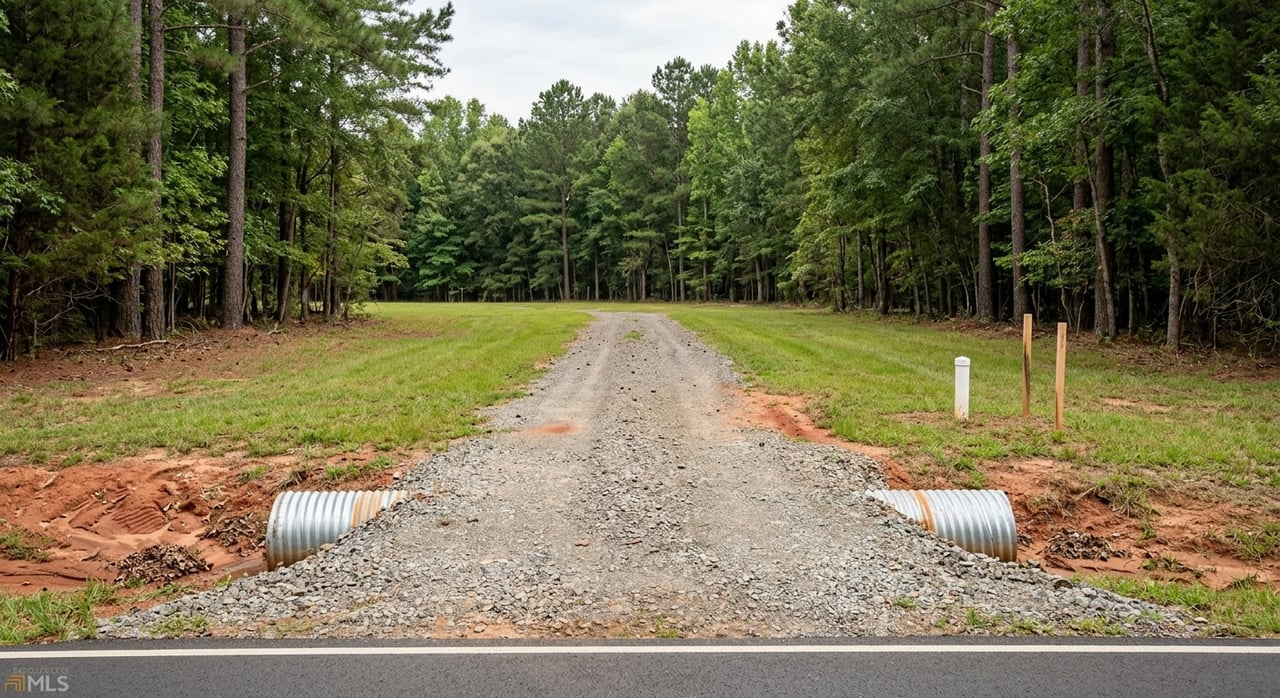
Thinking about buying land in Smithfield or Johnston County? A pretty parcel can look perfect at first glance, but the real story is often in the zoning, utilities, septic options, road access, and flood risk. If you want to avoid expensive surprises and feel more confident before you buy, this guide will walk you through the local checks that matter most. Let’s dive in.
Why land buying is different here
In Smithfield and Johnston County, acreage alone does not tell you whether a property is a good fit for your plans. Two parcels with similar size can have very different development potential based on jurisdiction, overlay districts, utility access, and septic feasibility.
That matters even more in a growing market. Johnston County reports that property values increased 77% over the last seven years, and the county completed a revaluation effective January 1, 2025 to reflect current market conditions. For you as a buyer, that means due diligence is not just helpful. It is essential.
Start with jurisdiction first
One of the first questions to answer is where the parcel actually falls. In the Smithfield area, land may be inside town limits, inside Smithfield’s extraterritorial jurisdiction, or in unincorporated Johnston County.
That distinction affects which rules apply. The Town of Smithfield says its ETJ extends two miles beyond town limits, and town zoning rules apply both inside the town and within the ETJ. Outside that area, Johnston County zoning and development rules apply.
Check zoning before you plan
Once you know the jurisdiction, the next step is zoning. Johnston County’s GIS system allows buyers to look up parcel zoning, and the county notes that municipalities and the county maintain their own zoning codes.
Much of Johnston County is zoned Agricultural-Residential, or AR. That district allows single-family and two-family housing along with farming uses, but some other uses may require a special use permit. Some parcels may also fall within overlay districts such as floodplain, water-supply watershed, municipal transition, or environmentally sensitive areas.
This is why land shopping should never be based on marketing remarks alone. A parcel may be large enough for your goals, but zoning or overlays can still limit what you can do with it.
When rezoning may be needed
If your intended use does not match the current zoning, rezoning may be part of the process. Johnston County says the rezoning process generally takes about four months.
In Smithfield, the Planning Department maintains the official zoning map, and the town’s Unified Development Ordinance determines whether a use is permitted, requires special approval, or is prohibited. Even when the parcel is under town zoning, Johnston County Building Inspections still handles building permits and inspections for Smithfield.
Confirm the parcel can be buildable
A parcel can look promising on paper and still fall short as a practical homesite. Before you move forward, confirm whether the tract can legally and physically function as a buildable lot.
Johnston County says the minimum land required for a division proposed for residential use is 1.33 acres with public water and 2 acres without a public water source. The county also limits residential density to 1.5 housing units per acre with public water or one unit per acre with well water.
If you are buying land to divide later, this step becomes even more important. You will want to understand the plat approval path before closing, not after.
Pay attention to frontage and access
Road access is one of the easiest issues to overlook and one of the most important. If access will connect to the state highway system, NCDOT says a driveway permit is required.
NCDOT recommends coordinating first with the local land-use authority and the local district engineer. It also notes there is no application fee for a driveway permit, and simple requests are often processed in about four weeks or less after formal submittal. For buyers, that makes driveway location and access approval a major part of land due diligence.
Review utilities early
Utility access can have a major effect on both value and buildability. In Smithfield, the town’s Public Utilities Department operates electric distribution, water distribution, water treatment, and wastewater collection.
In other parts of Johnston County, service may depend on the location and provider. Johnston County Public Utilities says the county is not the only utility provider in the area, and it maps water and sewer infrastructure in GIS. The county also notes that sewer availability depends on downstream capacity.
Water and sewer are not automatic
Even if lines appear nearby, service is not always guaranteed. The county reviews and permits water extensions locally, while sewer extensions go through NC DEQ.
Johnston County also states that infrastructure must be installed and accepted before a residential plat is recorded. So if you are looking at a tract that may need extensions, ask questions early and build extra time into your decision-making.
Understand septic and well feasibility
For many rural parcels, septic suitability is the deciding factor. Johnston County Environmental Health evaluates whether a property is suitable for a septic system and issues or denies permits based on the lot evaluation.
The application requires a site plan, zoning document, and fee. The county says the site should be cleared enough for evaluation and rough-staked before the visit, and some sites may need a survey and plat before the permit is released.
Site disturbance can create problems
Johnston County warns that site disturbance can make a septic area unsuitable or more expensive to serve. If a tract includes wetlands or waterways, applicants must notify the health department and provide supporting documentation.
This is one reason raw land should be approached carefully. Clearing, grading, or other changes before the right evaluations are completed can affect your options later.
Well permits matter too
If the property will need a private well, Johnston County Environmental Health also handles well siting, inspections, and permits. A new well must have bacteriological, chemical, nitrate, and nitrite samples before a certificate of completion is issued.
The county also offers petroleum and pesticide water sampling. That can be especially useful if you are considering a larger rural tract or a property with an older well already in place.
Use GIS and flood data to verify details
One of the best tools available to buyers in Johnston County is the local GIS system. County GIS resources include tax parcels, acreage, market value, deed and plat images, soils, contours, flood zones, waterlines, road centerlines, city limits, and town planning boundaries.
Many layers are updated daily, which makes GIS a practical way to compare a listing description against the actual parcel data. It can also help you spot issues tied to access, utility lines, planning boundaries, or topography.
Flood risk needs a separate check
Flood concerns should be reviewed separately from zoning and septic. A parcel can have acceptable zoning and still have flood or drainage constraints that affect where you can place a homesite or how the property may be insured.
Before you buy, it is smart to confirm whether any portion of the tract falls within a mapped flood hazard area. This extra check can save time, money, and frustration later.
Review tax status before closing
Tax treatment is another important piece of the puzzle, especially for larger tracts, farmland, or timber land. Johnston County says vacant land is real property, tax bills are mailed in July, and taxes are due September 1.
The county also offers a Present-Use Valuation program that can significantly reduce taxes for qualifying agricultural, horticultural, or forestry land. That can be valuable, but it comes with conditions.
Present-use status can affect your plans
If a parcel leaves the Present-Use Valuation program, Johnston County says deferred taxes for the current year and the previous three years become due with interest. If you are buying land with agricultural or forestry history, verify whether present-use status exists before closing and confirm how that fits your intended use.
This matters in a county where values have risen sharply and revaluation reflects more recent market activity. Tax status can change the real cost of ownership more than many buyers expect.
A practical order of operations
When you are comparing land in Smithfield or Johnston County, it helps to follow a consistent process. The strongest parcels are often the ones that already align with your intended use and require fewer approvals or unknowns.
A simple checklist can help you stay focused:
- Confirm whether the parcel is in Smithfield, the ETJ, or unincorporated Johnston County
- Verify the current zoning and whether your intended use is permitted
- Check for overlay districts such as floodplain, watershed, or environmentally sensitive areas
- Confirm lot division rules, minimum size, and density limits if you plan to split the tract
- Review road frontage and whether a driveway permit will be needed
- Check whether public water or sewer is available
- If utilities are not available, review septic and well feasibility
- Review GIS layers for contours, soils, flood zones, tax data, and planning boundaries
- Verify tax status, including any Present-Use Valuation classification
What makes a parcel more attractive
In general, the easiest parcels to move from contract to closing to construction are the ones with fewer moving parts. That usually means a clear zoning path, workable access, realistic utility or septic options, manageable flood risk, and tax treatment that matches your plan.
When those boxes are checked early, the buying process tends to feel much more straightforward. You can make decisions based on facts instead of assumptions, which is especially important when buying land that has not been improved yet.
If you are looking at land in Smithfield or anywhere in Johnston County, local guidance can make the process a lot clearer. Working with a team that understands the area, the planning landscape, and the practical questions behind each parcel can help you sort promising opportunities from costly detours. When you are ready to talk through your goals, reach out to Thomas Parker for local, hands-on guidance.
FAQs
What should you check first when buying land in Smithfield?
- Start by confirming whether the parcel is inside Smithfield, inside the town’s ETJ, or in unincorporated Johnston County, because that determines which zoning and development rules apply.
How do zoning rules affect land in Johnston County?
- Zoning affects what uses are allowed on a parcel, whether special approval may be needed, and whether overlay districts such as floodplain or watershed restrictions may limit development potential.
Can you split land for residential use in Johnston County?
- In many cases yes, but Johnston County says minimum land requirements for residential division are 1.33 acres with public water and 2 acres without a public water source, so you should confirm the plat approval path before closing.
Do you need a septic evaluation for rural land in Johnston County?
- Yes, if the parcel will not connect to public sewer, Johnston County Environmental Health evaluates whether the property is suitable for a septic system and may require a site plan, zoning document, and other supporting materials.
Why does road access matter when buying land near Smithfield?
- Access matters because a driveway permit may be required for connections to the state highway system, and the location and approval of that access can affect whether the parcel works for your plans.
How do you check flood concerns on land in Johnston County?
- Flood risk should be reviewed separately from zoning and septic, because flood or drainage constraints can affect homesite placement, financing, and future use of the property.
What is Present-Use Valuation for Johnston County land?
- Present-Use Valuation is a county tax program that can reduce taxes for qualifying agricultural, horticultural, or forestry land, but deferred taxes and interest may become due if the property no longer qualifies.
