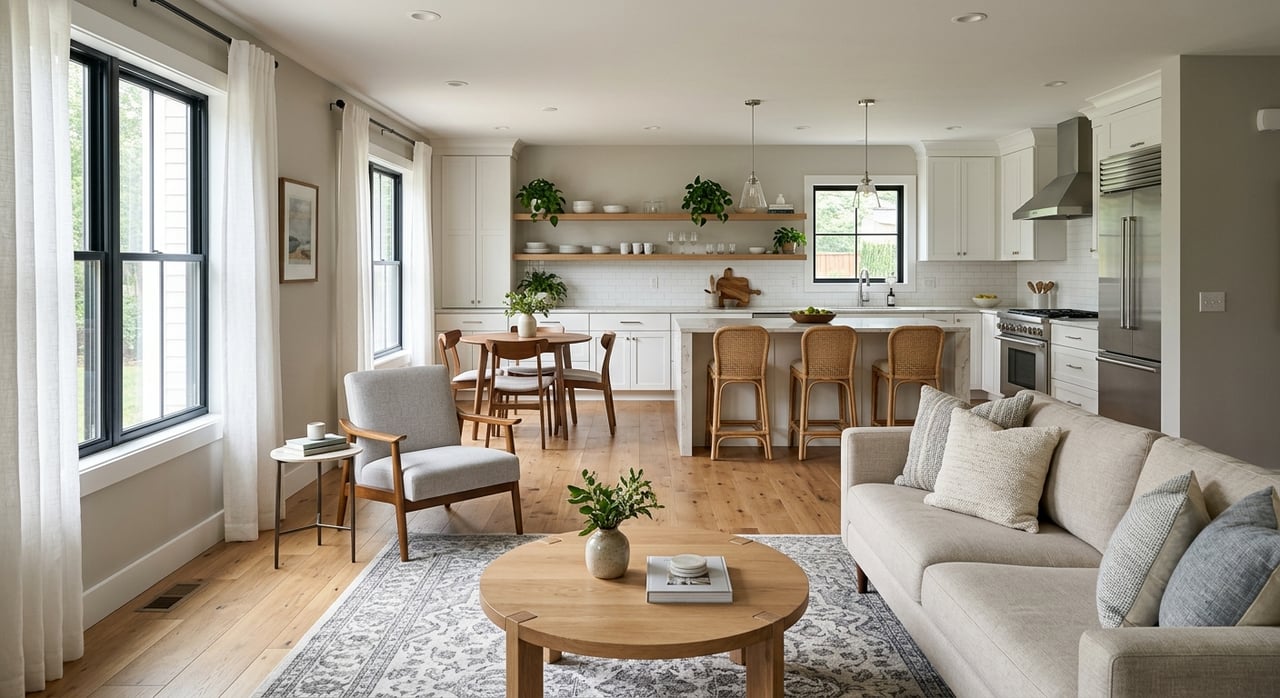
If you are thinking about selling in Pine Level, the way your home looks before it hits the market can shape everything that follows. You want strong photos, solid buyer interest, and a smooth path from listing to offer without sinking money into updates that may not pay you back. The good news is that in a market like Pine Level, smart prep usually matters more than major remodeling. Let’s dive in.
Know What Pine Level Buyers Notice
Pine Level is a smaller market, but it is still active. Redfin reported a median sale price of $315,000 in March 2026, with homes spending about 94 days on market, while Realtor.com described the town as a seller’s market and showed homes selling at about 100% of asking price on average.
That mix tells you something important. Buyers are active, but they still have time to compare homes, condition, and presentation. In other words, your home does not need to feel brand new, but it does need to feel well cared for and easy to move into.
The town’s housing mix also offers a helpful clue. Pine Level has a high share of owner-occupied homes, most homes are single detached houses, and many have three or four bedrooms. That means buyers are often looking closely at practical features like usable living space, storage, yards, and how the home functions day to day.
Focus on Presentation Over Remodeling
For most Pine Level sellers, heavy remodeling is not the best first move. A polished, clean, move-in-ready home usually makes more sense than chasing expensive upgrades right before listing.
That is especially true around Pine Level’s current price point. A sensible prep budget often falls around 0.5% to 2% of expected sale price, or about $1,575 to $6,300 on a $315,000 home. That range usually supports cleaning, minor repairs, selective paint, and staging without turning your pre-listing plan into a renovation project.
If you are deciding where to spend money first, think in this order:
- Cleanliness
- Curb appeal
- Small repairs
- Paint touch-ups
- Staging key rooms
That sequence usually gives you the best visual return for the money.
Start With Curb Appeal
Exterior appearance matters because buyers form opinions fast. Before they walk through the front door, they have already noticed the siding, driveway, roofline, gutters, porch, and front yard.
A simple exterior refresh can go a long way. Professional house pressure washing often runs about $170 to $360, driveway washing about $100 to $260, and gutter cleaning about $100 to $250. Those are often high-value first steps because they make the home look cared for without the cost of major exterior work.
You can also look for a few easy visual wins:
- Clear leaves and debris from the yard
- Trim overgrown shrubs or low branches
- Sweep the porch and front steps
- Clean the front door and hardware
- Put away extra bins, hoses, and tools
- Check that outdoor lights are clean and working
These details help your home look tidy in person and in listing photos.
Make the Home Camera-Ready
Most buyers start online, and photos shape which homes they decide to see in person. According to the research provided, more than 90% of buyers search online, and 85% say photos are the most important factor in deciding which homes to view.
That means your home should be fully ready before photography is scheduled. Not almost ready. Not ready except for one back bedroom or the garage. Buyers will see what the camera sees.
A camera-ready home usually includes:
- Decluttered counters, tables, and shelves
- Open, bright window treatments where possible
- Clean light fixtures and bulbs that match in color tone
- Minimal personal items in key rooms
- Freshly cleaned floors and baseboards
- Beds made neatly with simple bedding
- Towels, toiletries, and cleaning supplies stored away
The goal is not to make your home look staged beyond recognition. The goal is to make rooms feel spacious, bright, and easy to understand.
Prioritize the Rooms That Matter Most
If your budget or timeline is limited, do not try to perfect every room equally. Focus first on the spaces that make the biggest impression.
Research in the report shows that the living room, primary bedroom, and kitchen are among the most important rooms to stage. These are the spaces where buyers often decide whether a home feels comfortable, functional, and move-in ready.
Living Room First
Your living room should feel open and easy to picture using every day. Remove extra furniture if the room feels crowded, simplify decor, and make sure the seating arrangement looks natural.
If you have built-ins, a media console, or open shelving, keep styling light. Too many books, framed photos, and small objects can make the room feel busy in photos.
Refresh the Primary Bedroom
The primary bedroom should feel calm and spacious. Neutral bedding, clear nightstands, and open walking space help a lot.
If the room has oversized furniture, consider removing one or two pieces. Buyers want to understand how the room fits real life, not how much furniture can be packed into it.
Clean Up the Kitchen
You do not need a full kitchen remodel to make a good impression. In many cases, clearing counters, deep cleaning surfaces, touching up paint, and making lighting feel bright can do more than an expensive last-minute project.
Take a close look at cabinet fronts, sink fixtures, and appliance surfaces. Even small cosmetic fixes can make the whole room feel fresher.
Fix the Small Problems Buyers Notice
Little issues can make buyers wonder what else has been overlooked. A dripping faucet, loose handle, stained caulk line, or missing light bulb may seem minor, but together they create friction.
Handyman help often costs about $50 to $80 per hour or $150 to $600 per job, which can be a practical way to knock out the small items that distract from your home’s strengths. This kind of pre-listing cleanup can be especially helpful if you have lived in the home for several years and stopped noticing the wear.
A smart repair checklist may include:
- Tightening loose hardware
- Replacing burnt-out bulbs
- Repairing torn screens
- Touching up scuffed trim or walls
- Re-caulking around tubs or sinks
- Fixing sticking doors or drawers
- Patching small nail holes
These fixes are not flashy, but they help your home feel maintained.
Use Paint Strategically
Paint can be one of the highest-impact cosmetic updates, but it can also become expensive quickly. Professional painters may charge about $300 to $800 for a 10' x 12' room, $700 to $1,300 for a primary bedroom, and $2,900 to $8,800 for a full interior repaint.
Because of that, selective painting is often the smarter move in Pine Level. Instead of repainting the entire home, focus on the rooms or walls that show the most wear or have strong colors that may distract buyers.
High-impact paint targets often include:
- The main living area
- The primary bedroom
- Entry areas and hallways
- Walls with obvious scuffs or patch marks
A fresh, neutral look can make the home feel brighter and easier to market without blowing up your prep budget.
Stage for Function, Not Flash
Staging works best when it helps buyers understand the home. In Pine Level, where many buyers are comparing similar detached homes, staging can reduce friction by making rooms feel clear, usable, and welcoming.
The research report notes that the median amount spent when using a staging service was $1,500. It also shows that occupied-home staging often ranges from $1,000 to $3,000, while whole-home staging can average $1,500 to $4,000.
That does not mean every seller should fully stage every room. For many homes around the local price point, it makes more sense to concentrate on the main living spaces instead of every secondary bedroom.
Where Staging Dollars Often Go Furthest
- Living room
- Primary bedroom
- Dining area
- Entry area
- Kitchen styling
This focused approach supports the rooms buyers remember most. It also aligns better with a practical Pine Level prep budget.
Build a Prep Budget That Fits Your Home
Not every house needs the same level of work. A home that already shows well may only need a lean refresh, while a vacant or tired property may need more polish before launch.
Here is a simple way to think about prep ranges based on the research provided:
| Prep level | Typical range | What it may cover |
|---|---|---|
| Lean refresh | $500 to $1,500 | Deep clean, gutter cleaning, pressure wash, a few small fixes |
| Balanced list-ready package | $1,500 to $4,000 | Cleaning, selective paint or repairs, focused staging |
| Higher-polish or vacant package | $4,000 to $7,500+ | Vacant staging, broader cosmetic work, added exterior improvements |
For many Pine Level sellers, the middle option is the sweet spot. It gives you enough room to improve presentation without overspending on updates that may not meaningfully change buyer interest.
Time Your Prep Before You List
One of the biggest mistakes sellers make is waiting too long to start. If you want to list in spring, your prep work should likely begin in late winter or early spring so cleaning, repairs, staging, photography, and paperwork are already complete when the home goes live.
The research report notes that national timing trends still favor late spring, with Zillow reporting that homes listed in the last two weeks of May sold for 1.7% more nationwide. It also notes that many people start thinking about selling three to four months before they actually list.
That planning runway matters. It gives you time to make decisions calmly, compare service providers, and avoid rushing into expensive projects right before photos.
Gather Your North Carolina Paperwork Early
Preparing for the market is not only about appearance. It is also about getting your records and disclosures in order.
In North Carolina, sellers of most residential one-to-four-unit homes must provide the Residential Property and Owners’ Association Disclosure Statement and the Mineral and Oil and Gas Rights Disclosure Statement before an offer is made. If your home was built before 1978, federal lead-based paint disclosure rules also apply.
It also helps to gather home records early, including:
- Roof records
- HVAC service records
- Water heater information
- Gutter or drainage repair records
- Prior inspection reports
- Repair invoices and receipts
Having these ready can make the listing process smoother and help you answer buyer questions with confidence.
A Simple Pine Level Prep Plan
If you want a practical path forward, keep it simple. Most sellers do best when they clean deeply, improve curb appeal, fix visible issues, refresh key rooms, and make the home photo-ready before the listing launches.
That approach fits Pine Level’s current market reality. Buyers are active, but they are also comparing condition, layout, and value across similar homes. A well-prepared home gives you a better chance to stand out from day one.
When you are ready to prepare your Pine Level home for the market, working with a local team can help you decide what is worth doing now and what you can skip. For personalized guidance and a local pricing strategy, connect with Thomas Parker.
FAQs
What should Pine Level sellers fix before listing a home?
- Pine Level sellers should usually start with cleaning, curb appeal, small repairs, selective paint touch-ups, and photo-ready staging in the main living spaces.
How much should Pine Level homeowners budget to prepare a home for sale?
- A sensible prep budget often falls around 0.5% to 2% of expected sale price, which is roughly $1,575 to $6,300 based on Pine Level’s March 2026 median sale price of $315,000.
Which rooms matter most when staging a Pine Level home?
- The living room, primary bedroom, and kitchen are usually the highest-priority spaces because buyers focus heavily on those rooms when comparing homes.
Should Pine Level homeowners remodel before putting a house on the market?
- In many cases, no. A polished, move-in-ready presentation with cleaning, repairs, and selective updates is often more practical than a major remodel right before listing.
What disclosures do North Carolina home sellers need before accepting an offer?
- North Carolina sellers of most one-to-four-unit residential properties must provide the Residential Property and Owners’ Association Disclosure Statement and the Mineral and Oil and Gas Rights Disclosure Statement before an offer is made, and pre-1978 homes may also require lead-based paint disclosure.
When should Pine Level homeowners start preparing to sell in spring?
- A good planning window is late winter into early spring so repairs, staging, photography, and paperwork are finished before the listing goes live.
