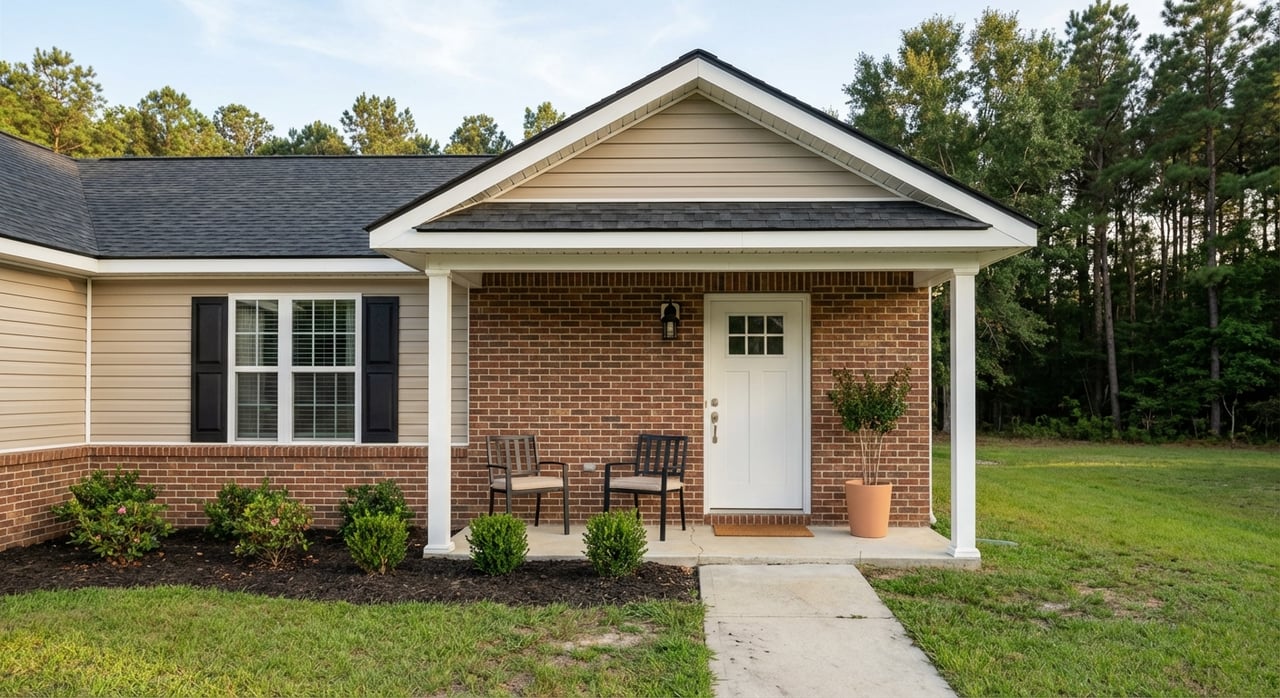
Thinking about selling your Smithfield home and not sure where to start? You are not alone. Between pricing, prep work, North Carolina disclosures, and the closing process, there are a lot of moving parts. This guide walks you through each step from valuation to closing with local insight tailored to Smithfield and Johnston County. Let’s dive in.
Know the Smithfield market
Smithfield home values generally sit in the high 200Ks to low 300Ks, with days on market varying by neighborhood, price point, and condition. Inventory is higher than the tightest years, which can give buyers a bit more room to negotiate in some segments. The key is to price to your specific micro‑market and current competition rather than a broad county average.
Local buyers often value affordability compared to Wake County, practical commute times to Triangle job centers, and homes that feel move‑in ready. Smithfield’s mean travel time to work is about 24 minutes, according to U.S. Census QuickFacts, which helps attract commuters seeking value within reach of Raleigh and Cary.
Who is buying in Smithfield
- Buyers looking for value within commuting range of the Triangle.
- Households who prioritize updated kitchens, refreshed baths, and usable yard space.
- Shoppers who pay attention to school assignments and neighborhood amenities. Preferences still vary by price tier and home style.
Step 1: Price with precision
Start with a Comparative Market Analysis. A strong CMA compares recent closed sales in your immediate neighborhood, current active listings you will compete with, pending contracts, and price‑per‑square‑foot trends. Smithfield’s micro‑markets can differ a lot, so comps from your subdivision or nearby streets matter more than county‑wide figures.
Plan for property tax timing. Johnston County mails annual tax statements in late summer, and taxes are due September 1. Taxes are typically prorated at closing, so you will want to see your current bill and understand how any revaluation may affect estimates. For deadlines and FAQs, review the county’s page on Johnston County property tax timing and FAQs.
Step 2: Disclosures in North Carolina
Most residential sellers in North Carolina must complete and deliver the Residential Property and Owners’ Association Disclosure Statement (RPOADS/REC‑4.22). The official form is available from the North Carolina Real Estate Commission. You should provide it to buyers in accordance with state law under G.S. 47E. Get the current form here: NCREC Residential Property and Owners’ Association Disclosure (REC‑4.22).
The rule and exemptions are detailed in state guidance. Certain transfers, such as some foreclosures or transfers between specific related parties, may be exempt, but you should confirm with your listing agent or attorney. You can read the Commission’s rule language at 21 NCAC 58A .0114. If your home is in an owners’ association, gather governing documents, budgets, and rules early; NCREC provides owners’ association disclosure resources that outline what to prepare.
Step 3: Prepare the home
Aim for clean, bright, and neutral. Declutter, deep clean, touch up or repaint in light neutrals, and tackle obvious maintenance items like roof leaks, HVAC service, and sticky doors. Small, visible repairs often have an outsized impact on buyer confidence and perceived value.
Staging can help reduce time on market and boost offers. In a recent report, agents noted that staging commonly focused on the living room, primary bedroom, and kitchen, and many observed quicker sales and modest value gains. Review the findings in NAR’s summary on how home staging can reduce time on market and improve offer value. If your budget is limited, invest first in decluttering and professional photography.
Step 4: Market for maximum reach
Today’s buyers expect polished visuals. At a minimum, plan for professional photography, accurate measurements, a floor plan, and a video or 3D walkthrough. Make sure your listing copy plainly highlights the features buyers value in Smithfield, such as commuting access to I‑40 and I‑95, proximity to downtown amenities and shopping, and updates that make the home move‑in ready.
A simple, scannable features list helps. Include year built, major system updates, bedroom/bath count, lot size, storage or garage details, outdoor living areas, and any community amenities. Visuals should emphasize natural light, clean lines, and exterior spaces like porches, patios, and yards.
Step 5: Showings and open houses
Create a clear showing plan. If possible, step out during scheduled showings, keep the home tidy between visits, and maintain consistent lighting and comfortable temperatures. Use a lockbox and a secure showing service to track access.
Protect valuables and plan for pets. Store medications, small electronics, documents, and jewelry out of sight. Arrange pet boarding or secure crating during showings and open houses.
Step 6: Offers and NC deposits
North Carolina uses a two‑deposit structure that is different from many states. Buyers typically offer a Due Diligence Fee, paid to you at contract acceptance, and separate earnest money held in escrow. The Due Diligence Fee compensates you for taking the home off the market during the agreed period and is usually nonrefundable once paid, while earnest money is generally refundable if the buyer terminates within the due diligence window, subject to contract terms.
Due diligence fees in the Triangle area can range from a few hundred to several thousand dollars, depending on price and competition. Make sure delivery and receipts are documented as the contract specifies. For a plain‑English overview, see this explanation of North Carolina due diligence fees and common practice.
When comparing offers, look beyond price. Evaluate the due diligence period length, due diligence fee amount, earnest money, financing type, appraisal and inspection contingencies, and preferred closing date. Ask your agent for a clear net sheet for each offer.
Step 7: Inspections, appraisal, and repairs
During due diligence, buyers usually order a general home inspection and may add specialized inspections for roof, HVAC, pest, radon, and structural items. If your property uses a private well or septic system, expect water quality testing and a septic inspection. These can surface repair requests or credits; respond quickly to keep timelines intact.
If the buyer is financing, the lender will order an appraisal. If the appraised value comes in below the contract price, your agent will guide you through options, which can include price adjustments, concessions, or additional buyer funds, depending on the situation.
Step 8: Closing with an NC attorney
In North Carolina, a licensed NC attorney generally supervises closing, prepares and records the deed, and manages settlement accounting. Title insurance is issued through title underwriters, but the closing attorney coordinates the legal work and disbursement. You can learn more about the attorney’s role from this local overview on NC closings and attorney supervision.
Plan your timeline. Many financed transactions take about 30 to 45 days from contract to close, accounting for appraisal, underwriting, and title work. Cash deals can close faster if title is clear. Your closing attorney will collect payoff statements, wire instructions, and any association documents required for closing.
Best timing to list
Spring through early summer often brings the most buyer activity, with a common visibility bump from late April through June. That said, your ideal timing depends on current inventory and local demand in your price tier. Ask your agent to show you month‑by‑month activity from the Triangle MLS so you can align prep with real buyer traffic.
A practical seller checklist
Weeks −4 to 0: Pricing and prep
- Order a CMA and confirm your pricing range.
- Declutter, deep clean, touch‑up paint, and complete visible repairs.
- Schedule professional photography, floor plan, and staging.
- Gather service records, appliance manuals, and warranties.
- Complete the RPOADS disclosure and assemble owners’ association documents if applicable.
Week 0: Go live
- Launch with full media, clear headline, features list, and a 3D or video tour.
- Confirm showing instructions and open house dates.
Weeks 0–4: Showings and offers
- Keep the home show‑ready and review feedback with your agent.
- Evaluate offers for price, due diligence fee and period, earnest money, contingencies, and closing date.
Under contract: Due diligence to close
- Coordinate access for inspections and appraisal.
- Negotiate repairs or credits quickly.
- The closing attorney conducts the title search and prepares settlement.
Closing week
- Confirm payoff amounts and wire details with the attorney.
- Schedule utilities and final walk‑through.
- Sign, record, and disburse after recording.
Taxes, prorations, and payoffs
Expect prorated property taxes at closing. Johnston County mails tax bills in late summer, and they are due September 1, with penalties beginning afterward. If you are closing near bill cycle changes or during a revaluation year, verify your latest statement and any assessed value updates to avoid surprises on your net sheet. For timing and details, check the county’s tax FAQs and deadlines.
Your attorney typically cannot disburse funds until the deed records, so final proceeds are released after recording and payoff confirmation. Order payoff statements early to avoid last‑minute delays.
Work with a local partner
Selling in Smithfield is simpler when you have a neighborhood‑rooted team guiding strategy, pricing, and marketing. With hyper‑local knowledge, polished visuals, and broad digital distribution, you can meet buyers where they are and protect your bottom line from the first showing to the final signature. If you are weighing timing or want a clear plan for your address, reach out to Thomas Parker for a custom CMA and launch roadmap. Get your free home valuation.
FAQs
What is the North Carolina RPOADS disclosure and who must complete it?
- Most residential sellers must complete the state’s Residential Property and Owners’ Association Disclosure (RPOADS) and provide it to buyers under G.S. 47E using the official NCREC form; limited exemptions apply.
How do due diligence fees and earnest money work in NC home sales?
- Buyers typically pay a nonrefundable Due Diligence Fee to the seller at contract and separate earnest money into escrow; the earnest money is usually refundable if the buyer terminates during the due diligence period per contract terms, as explained in this North Carolina due diligence overview.
How long does a typical Smithfield closing take once under contract?
- Financed deals often take about 30 to 45 days to complete appraisal, underwriting, and title work, while cash purchases can close faster if title is clear; your attorney will guide the timeline.
When are Johnston County property taxes due and how are they handled at closing?
- Johnston County mails tax bills in late summer, and they are due September 1; taxes are prorated at closing, so confirm your current bill and any revaluation updates using the county’s tax FAQs.
Should I stage my Smithfield home and which rooms matter most?
- Yes, if budget allows; agents most often prioritize the living room, primary bedroom, and kitchen, and many report shorter market times and modest offer gains, per NAR’s staging research.
Do I need a closing attorney or a title company in North Carolina?
- A licensed NC attorney typically supervises residential closings, prepares and records the deed, and manages settlement accounting, while title insurance is issued through underwriters; see this NC closing overview for details.
What inspections should I expect buyers to order in Johnston County?
- Most buyers start with a general home inspection and may add roof, HVAC, pest, and radon checks; properties with private well or septic typically involve water quality tests and a septic inspection that can influence repairs or credits.
