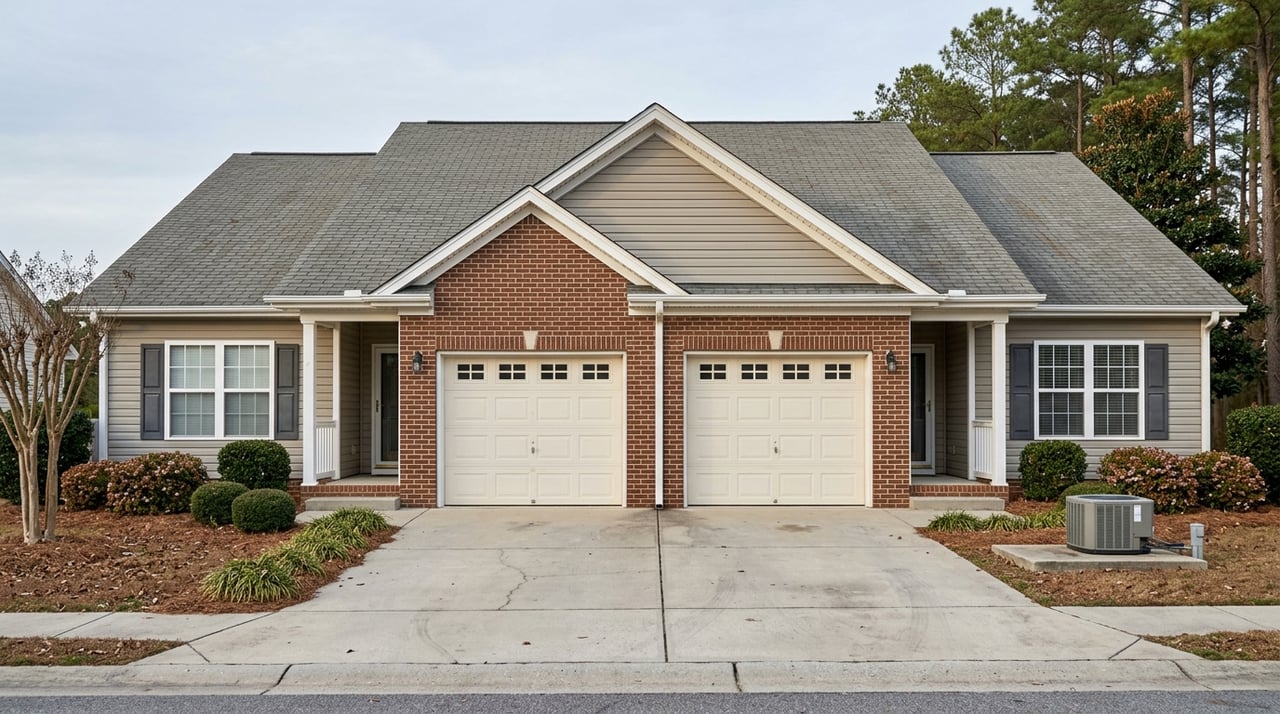
Wondering whether Smithfield, NC could make sense for your next rental property? If you are looking at small-market investing, Smithfield offers an interesting mix of lower-cost housing, active rental demand, and a very local story that does not always match Johnston County averages. This overview will help you understand the numbers, the opportunities, and the questions you should answer before you buy. Let’s dive in.
Smithfield rental market basics
Smithfield is a smaller market, with an estimated population of 12,806 in 2024 and 5,617 housing units. Even so, it has been growing since 2020, and Johnston County has grown as well. That matters because population growth can support housing demand, but in a town like Smithfield, you still need to study the property-level details.
The town also looks different from the county as a whole. Smithfield’s median household income is $43,270, while Johnston County’s is $83,384. That gap is a reminder that you should not rely on countywide averages alone when you are evaluating rental pricing, tenant demand, or renovation plans in Smithfield.
Smithfield also has a lower owner-occupied rate than the county. The town’s owner-occupied rate is 58.7%, compared with 76.1% across Johnston County. In simple terms, Smithfield has a larger renter presence than the county average, which can make it more relevant for investors focused on rental housing.
Smithfield rent trends to know
Current asking rents show a market that is active, but not one-size-fits-all. Zillow reported an average asking rent of $1,750 in Smithfield as of June 12, 2026, with rents ranging from $950 to $3,350 and 37 active rentals on the market. Zillow also labeled the rental market as warm.
Bedroom counts matter here. Zillow’s reported averages were $1,100 for a 1-bedroom, $1,399 for a 2-bedroom, $1,750 for a 3-bedroom, and $2,214 for a 4-bedroom. For many investors, that points to stronger interest in family-sized rental homes, especially if the property is move-in ready and priced correctly.
At the same time, Smithfield’s Census-based median gross rent is just $658. That does not mean the live rental data is wrong. It means the town likely includes a mix of older, lower-cost rentals alongside newer or renovated homes asking market-rate rents.
Why rent data can look confusing
If you are comparing sources, Smithfield can seem inconsistent at first. The reason is that these numbers measure different things. Census rent data reflects ACS gross rent, while Zillow reflects current asking rents on active listings.
That difference matters for investors. A property that looks promising based on online asking rents may sit in a pocket where actual achievable rent is lower. On the other hand, a well-renovated home in the right area may compete much closer to current market-rate listings than older stock nearby.
Home values and a quick yield screen
On the acquisition side, Zillow listed Smithfield’s average home value at $296,276 as of May 31, 2026. It also reported 109 for-sale listings and homes going pending in about 42 days. That gives you a rough snapshot of both entry cost and resale pace.
Using Zillow’s average asking rent and average home value, a rough gross-yield screen comes out to about 7.1% before expenses. That is not a cap rate, and it should not replace full underwriting. Still, it can help you compare Smithfield with other markets or compare one Smithfield deal with another during your first pass.
Here is the key takeaway: the deal only works if the property supports the rent. In a small market with a wide rent spread, your purchase price, repair budget, and realistic lease-up plan matter more than any headline number.
Housing stock shapes the opportunity
Smithfield appears to be a predominantly single-family market. Census Reporter shows the housing stock as about 88% occupied, 59% owner-occupied, and 69% single-unit structures. Other ACS-based aggregators place detached homes at 63.2% and mobile homes at 5.1%.
That mix points to a few practical investment angles. Single-family buy-and-hold properties may fit the town’s housing profile well, especially for renters looking for more bedrooms or more space. It also suggests that investors should evaluate each property type carefully instead of assuming every rental format performs the same way.
Potential strategies that fit the local stock mix include:
- Buy-and-hold single-family homes geared toward family-sized demand
- Value-add renovations where the finished product may compete more closely with current asking-rent listings
- Selective small multifamily deals where zoning, parking, and rehab scope support the numbers
Because this is a smaller market, execution matters. The same renovation budget or rent target that works on one street may not work as well a few blocks away.
Affordability is part of the investment story
One of the most important facts in Smithfield is the gap between local income and current asking rents. At Zillow’s average asking rent, annual rent would equal about 48.5% of Smithfield’s median household income. That suggests market-rate family rentals may be affordable only to part of the local renter pool.
For you as an investor, that is not automatically a negative. It simply means your likely tenant base may be narrower for higher-priced rentals, and pricing mistakes could lead to longer vacancy. In a market like Smithfield, rent strategy should be tied closely to property condition, size, and the specific pocket of town.
Voucher-friendly rentals are an option
If you are considering a voucher-oriented strategy, Johnston County HAPP provides a useful framework. According to the county, a house, apartment, townhouse, or mobile home may be rented through the program if the owner is willing, the unit meets HUD Housing Quality Standards, and the rent stays within program limits.
The county also notes that payment standards are based on factors such as location, size, housing type, condition, and amenities. That makes rehab quality and accurate rent comps especially important. A clean, functional, rental-ready property may have more flexibility than a property that still needs work or has layout issues.
Questions to ask before buying in Smithfield
In a market this size, broad trends only take you so far. Your success often comes down to submarket fit, realistic repair costs, and how well the property matches current tenant demand. Before you move forward, focus on questions like these:
- Which streets or areas tend to lease faster and have lower turnover?
- Are likely rents for this property closer to older local rent levels or current asking-rent listings?
- What property types are leasing best right now: detached homes, duplexes, small apartments, or mobile homes?
- What repairs are needed to move the home from owner-occupant condition to rental-ready condition?
- Are there zoning, parking, septic, flood, or HOA issues that could limit rental use?
- If voucher tenants are part of your plan, does the property fit HAPP standards and likely rent limits?
- If rent growth slows, is your better exit plan to hold, refinance, or sell?
These are the kinds of details that can protect your downside. They can also help you avoid over-improving a property for a rent level the immediate area may not support.
What this means for investors
Smithfield is not a market where one headline tells the whole story. The town shows population growth, active rentals, and a housing mix that can support several rental strategies. At the same time, the spread between Census rent data and current asking rents means you need a very local view before you set your numbers.
For many investors, the best opportunities may come from properties that combine sensible acquisition cost with targeted updates and a rent plan grounded in the exact submarket. That is especially true in a town where lower-cost legacy rentals and newer market-rate listings appear to exist side by side. If you are evaluating Smithfield seriously, local insight is not a bonus. It is part of the investment analysis.
If you are exploring rental property opportunities in Smithfield or anywhere in Johnston County, working with a local team can help you sort through pricing, property condition, and neighborhood-level demand. Connect with Thomas Parker for a more tailored look at available properties and your next move.
FAQs
What makes Smithfield, NC different from the rest of Johnston County for rental investing?
- Smithfield has lower median household income, lower median gross rent, and a lower owner-occupied rate than Johnston County overall, which suggests it operates as a distinct lower-cost submarket.
What is the average asking rent in Smithfield, NC?
- Zillow reported an average asking rent of $1,750 in Smithfield as of June 12, 2026, with a range from $950 to $3,350 across active listings.
What property types may work best for Smithfield rental investments?
- Based on the housing mix, single-family homes appear to be a practical fit, while some value-add and selective small multifamily opportunities may also make sense when zoning, parking, and rehab scope line up.
Why is Smithfield median rent so much lower than current asking rents?
- The Census figure reflects ACS gross rent, while Zillow reports current asking rents, so the numbers track different parts of the market and are not directly interchangeable.
Can investors use voucher tenants in Smithfield rental properties?
- Yes, Johnston County HAPP says houses, apartments, townhouses, and mobile homes may qualify if the owner participates, the unit meets Housing Quality Standards, and the rent fits program limits.
